
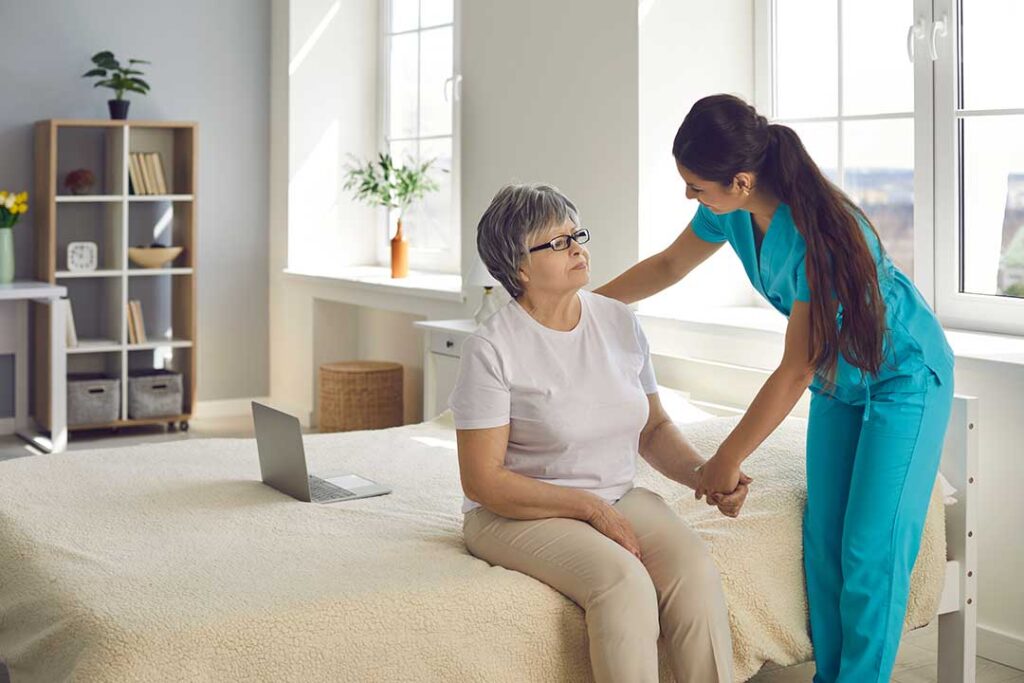
What Does Dignity Mean in Assisted Living Settings?
Dignity in assisted living means respecting each resident as a unique individual, regardless of age or physical ability. In practice, this involves recognizing personal preferences, privacy, and the right to make choices about daily life. Area residents often worry that assisted living means giving up control, but a high-quality environment prioritizes both physical comfort and emotional respect.
Understanding dignity includes:
- Addressing residents by their preferred names
- Including individuals in conversations about their care
- Ensuring personal hygiene routines fit resident wishes, not just staff convenience
Many in the community assume routines must be rigid, but personalized approaches can be adapted, even in group settings. For example, honoring a resident’s preferred morning start time may be feasible with thoughtful scheduling, despite the facility’s routines.
How Can Residents Maintain Autonomy in Assisted Living?
Assisted living is designed to offer support, not to eliminate independence. Autonomy means being able to make everyday decisions—large and small—that shape a person’s lived experience.
Residents often have control over:
- Meal choices and dining times, within facility guidelines
- Participation in activities and social events—attendance is usually voluntary
- Decor and layout of personal living spaces
Residents from Nanticoke used to managing their own homes may be concerned about losing these familiar choices. Area facilities routinely offer a range of structured and unstructured activity options, especially during colder months when outdoor access is limited. Local traditions and preferences, such as enjoying seasonal foods or participating in holiday events, are actively supported in most assisted living residences.
How is Privacy Protected in Assisted Living Environments?
Privacy is a core part of both dignity and autonomy. Residents, even in shared spaces, retain the right to control personal information and who enters their private rooms.
Common approaches to privacy include:
- Closed doors and private bathrooms for personal care, whenever possible
- Staff knocking and requesting permission before entering a resident’s room
- Honoring requests for private phone calls or confidential conversations
With the region’s varying climate, especially during winter, residents may spend more time indoors. This makes room privacy and quiet spaces even more essential for well-being. It’s a misconception that living in a communal setting must mean sacrificing privacy—most local care environments are structured to respect personal boundaries, regardless of season or building layout.
What Should Residents and Families Expect During Transitions?
Moving from independent living into an assisted environment is often stressful and can raise concerns about losing decision-making power. However, a quality transition process keeps new residents informed and involved in each step.
Practical strategies for a smoother transition include:
- Inviting residents to help set up their new rooms, choosing familiar objects to keep nearby
- Involving individuals in discussions about daily routines, such as preferred wake-up times or activity levels
- Introducing supportive staff gradually, to establish trust before providing hands-on assistance
Transitions often coincide with health changes or after winter, when mobility and safety challenges become more pronounced locally. Careful planning can ensure that new routines feel personalized, not imposed.
How Can Residents Give Feedback or Address Concerns?
Residents should expect to have avenues for voicing opinions or complaints without fear of negative consequences. Regular feedback helps staff improve and residents maintain their sense of agency.
Options usually include:
- Resident councils or regular group meetings to raise concerns or suggest changes
- Private meetings with staff or administrators upon request
- Comment cards or anonymous feedback systems

Residents may hesitate to speak up, fearing it might strain relationships with caregivers. Staff are generally trained to handle feedback professionally and implement reasonable changes. In Nanticoke, community ties and expectations for neighborly respect often support honest communication.
What Roles Do Families and Visitors Play in Upholding Dignity?
Loved ones are essential partners in maintaining residents’ dignity and independence. Visiting regularly and staying engaged in care discussions can boost a resident’s confidence and ensure continuity of familiar routines.
Effective family involvement may include:
- Respecting the resident’s preferences for visits—some may want frequent company, others prefer quiet time
- Participating (with consent) in care conferences or planning meetings
- Advocating respectfully for adjustments if a resident feels overlooked
Families relocating nearby or adjusting routines for seasonal weather can make a noticeable difference, ensuring the resident feels remembered and respected.
What Are Common Barriers to Dignity and Autonomy in Assisted Living?
Challenges do exist. Common barriers include strict schedules, high staff turnover, or a lack of personalized activities. Some residents may struggle to communicate needs due to changes in memory, hearing, or speech.
Finding solutions may involve:
- Identifying simple adaptations, such as flexible dining options or personally meaningful activities
- Encouraging staff consistency to help residents build trust with familiar caregivers
- Using visual cues, written reminders, or assistive devices to support memory or communication
In area assisted living settings, weather conditions and building designs can also impact daily autonomy—icy walkways or poor interior lighting may limit mobility or choice. Community feedback and facility updates can help address these seasonal and environmental issues.
How Can Residents Be Involved in Daily Choices, Even with Limitations?
Even when residents live with mobility or memory challenges, small choices matter. Individuals can often decide what to wear each day, which hobbies to pursue, or how to arrange personal items.
Helpful ideas include:
- Offering two clothing options rather than a large wardrobe to simplify dressing decisions
- Encouraging self-service at snack or beverage stations, where safe and practical
- Providing visual activity calendars or reminders adapted to individual needs
These small practices allow residents to feel empowered and recognized, regardless of health status.
